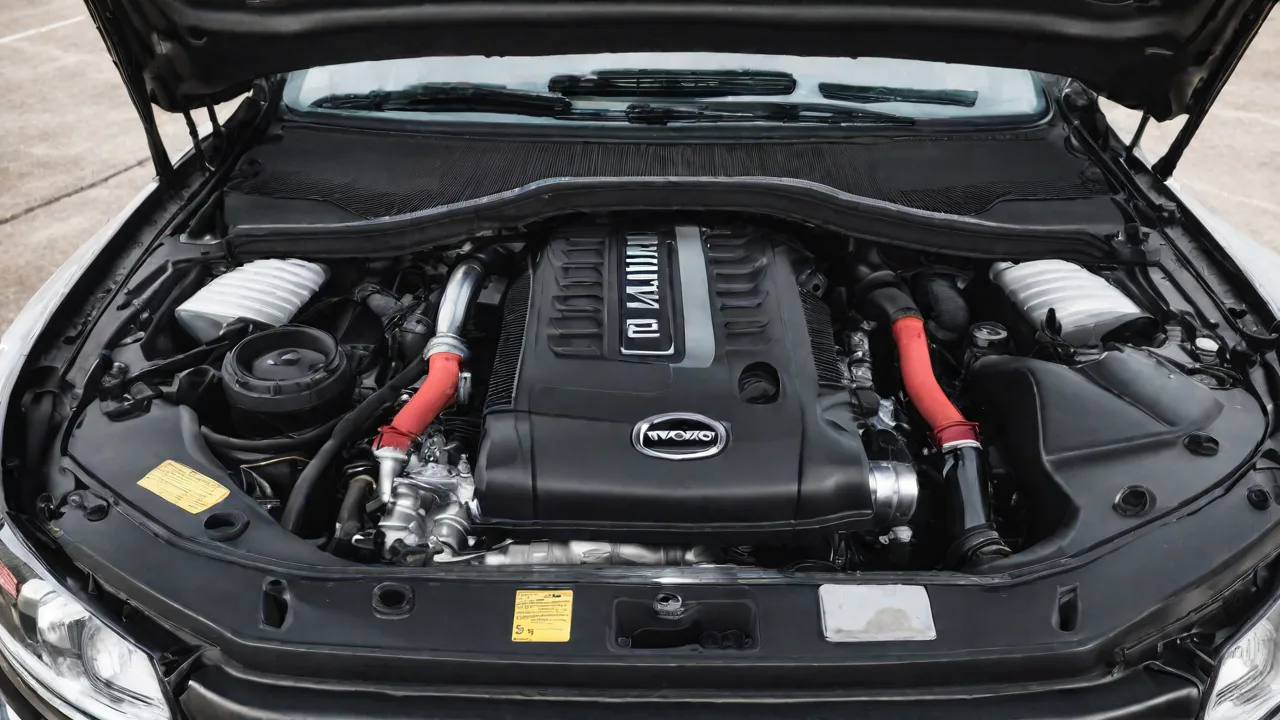
Upgrading the Volvo XC70’s Cooling System for High-Performance Track Use
Enhancing the Volvo XC70 Cooling System for Track Performance
The Volvo XC70 has earned a reputation for its rugged reliability and versatility, making it a favorite among enthusiasts who appreciate a blend of comfort and capability. However, when the XC70 is pushed beyond its typical daily driving parameters—particularly in high-performance track scenarios—the stock cooling system can become a limiting factor. Track driving subjects the engine and drivetrain components to sustained high loads and elevated temperatures that standard cooling setups are not engineered to manage effectively. Consequently, upgrading the cooling system is a critical step for XC70 owners aiming to maximize track performance and ensure mechanical longevity under demanding conditions.
In this comprehensive guide, we will explore why the XC70’s cooling system requires enhancement for track use, identify the key components that benefit most from upgrades, and provide detailed recommendations for parts and installation considerations. Whether you’re an amateur track day enthusiast or a seasoned racer, understanding how to optimize your XC70’s cooling capabilities is essential to maintaining peak performance and preventing costly damage.
Understanding the Cooling System Challenges in Track Environments
Under normal driving conditions, the Volvo XC70’s factory cooling system is designed to maintain engine temperatures within a narrow, safe range. Components such as the radiator, water pump, cooling fans, thermostat, and oil coolers work in harmony to dissipate heat generated by the combustion process and frictional forces within the drivetrain.
However, track driving differs significantly from daily commuting or highway cruising. Here are some challenges the cooling system faces during high-performance track use:
- Extended High RPM Operation: Engines operate at higher revolutions per minute (RPM) for prolonged periods, generating more heat.
- Reduced Airflow at Low Speeds: Tight corners and slow zones reduce airflow through the radiator, limiting natural heat dissipation.
- Increased Oil and Transmission Temperatures: The drivetrain experiences greater stress, causing oil and transmission fluid temperatures to rise sharply.
- Heat Soak: After multiple laps, residual heat builds up in engine components, causing temperatures to climb beyond safe thresholds.
Without sufficient cooling capacity, these factors combine to increase the risk of overheating, which can lead to engine knock, reduced power output, accelerated wear, and in extreme cases, catastrophic failure. An upgraded cooling system is therefore vital to sustain performance and reliability on the track.
Why Upgrade the Cooling System?
Factory cooling systems are calibrated for everyday use, balancing costs, noise, emissions, and longevity rather than peak heat rejection. When used in high-stress environments such as racing or track days, the stock system often cannot keep pace with the increased thermal load.
Upgrading the cooling system addresses these limitations by:
- Improving Heat Dissipation: Larger or more efficient radiators and fans help remove heat faster from the engine coolant.
- Enhancing Coolant Flow: Higher capacity water pumps and optimized thermostats ensure quicker, more consistent coolant circulation.
- Reducing Thermal Fatigue: Additional oil coolers and transmission coolers lower operating temperatures, protecting critical components.
- Maintaining Consistent Power Output: Cooler engine temperatures prevent power losses caused by heat-induced detonation or fuel cutoff.
- Extending Component Lifespan: Lower operating temperatures reduce wear on gaskets, seals, and engine internals.
In summary, a well-designed cooling system upgrade enables the Volvo XC70 to handle the rigors of track use without compromise, ensuring both performance and durability.
Key Cooling System Upgrades for the Volvo XC70
Several components within the XC70’s cooling system can be targeted for upgrades. Below, we discuss each critical element and the benefits of enhancing them for track applications.
1. High-Performance Radiator
The radiator is the heart of the cooling system, responsible for transferring heat from the coolant to the ambient air. The stock XC70 radiator is adequate for daily driving but may struggle during extended high-speed sessions on the track. Upgrading to a larger core or one constructed from high-conductivity materials like aluminum can significantly improve heat transfer efficiency.
Benefits of a high-performance radiator include:
- Increased surface area for heat dissipation.
- Improved airflow thanks to optimized fin design and spacing.
- Lower overall operating temperatures, reducing thermal stress.
When selecting a performance radiator, consider options with multiple rows of cooling tubes and high-quality end tanks. Additionally, ensure compatibility with your XC70’s mounting points and hose connections. Some aftermarket radiators come with integrated transmission coolers, which can further aid in managing heat.
2. Upgraded Cooling Fans
Cooling fans play a crucial role in maintaining airflow through the radiator, especially when the vehicle is stationary or moving at low speeds—common scenarios during track sessions with slow corners or pit stops. The stock electric fans on the XC70 may lack sufficient airflow or speed to keep coolant temperatures in check under these conditions.
Installing high-flow electric fans with larger diameters or increased blade pitch can dramatically boost airflow. Some popular upgrades include dual-fan setups that provide redundancy and improved cooling capacity.
Key considerations for cooling fan upgrades:
- Ensure fans provide adequate CFM (cubic feet per minute) airflow for your radiator size.
- Select fans with durable motors rated for continuous high-speed operation.
- Employ temperature-controlled fan switches or programmable fan controllers for precise activation.
3. Heavy-Duty Water Pump
The water pump circulates coolant throughout the engine and radiator, maintaining a steady flow to regulate temperature. The OEM pump is designed for typical usage patterns and may struggle to maintain flow under the higher thermal loads and longer sustained runs encountered on the track.
Upgrading to a heavy-duty or high-flow water pump increases coolant circulation, allowing heat to be carried away more efficiently. Some aftermarket pumps feature improved impeller designs or materials that resist wear, providing better reliability during intense use.
4. Performance Thermostat
The thermostat regulates when coolant begins flowing to the radiator by opening at a specific temperature. A lower-temperature thermostat opens sooner, allowing coolant to circulate through the radiator earlier and preventing overheating.
Performance thermostats with a reduced opening temperature (for example, 170°F instead of the stock 195°F) help maintain cooler engine temperatures during aggressive driving. This is particularly useful in track environments where rapid heat buildup is common.
Note that installing a lower-temperature thermostat may slightly increase engine warm-up time in cold conditions but is generally beneficial for high-performance use.
5. Additional Oil Coolers
Engine oil and transmission fluid absorb and dissipate heat generated by internal friction and mechanical loads. During extended track sessions, these fluids can reach dangerously high temperatures, degrading lubrication properties and increasing wear.
Adding supplemental oil coolers—either external or integrated units—helps lower operating temperatures of both engine oil and transmission fluid. This upgrade is especially important if you have modified your XC70’s engine for increased power or are running an automatic transmission that is prone to heat buildup.
Oil coolers are typically mounted in front of the radiator or in other high airflow locations. When selecting oil coolers, ensure they are sized appropriately for your vehicle’s engine capacity and expected track conditions.
Additional Cooling System Considerations for Track Use
While the above components form the core upgrades, additional modifications and maintenance practices can further enhance cooling system performance and reliability:
- Coolant Mixture Optimization: Using a high-quality coolant mixture with the correct ratio of antifreeze and water improves heat transfer and corrosion protection. Some track-focused coolants also include additives to raise boiling points.
- Regular Coolant Flush and Replacement: Maintaining clean coolant free of debris and contaminants ensures optimal heat transfer and prevents clogging of cooling passages.
- Upgraded Hoses and Clamps: Reinforced silicone hoses resist swelling and rupture under high temperatures and pressures, while high-quality clamps ensure leak-free connections.
- Installation of a Radiator Shroud or Air Ducting: Properly directing airflow through the radiator rather than around it maximizes cooling efficiency.
- Monitoring Systems: Installing temperature gauges or data logging systems helps track coolant and oil temperatures in real-time, allowing proactive management during track sessions.
Installation and Maintenance Tips
Upgrading your XC70’s cooling system requires careful planning and installation to ensure maximum effectiveness and reliability. Here are some best practices:
- Professional Installation: If you are not experienced with automotive cooling systems, consider having upgrades installed by a qualified technician familiar with Volvo models.
- System Bleeding: Properly bleeding air from the cooling system after installation is critical to avoid hot spots and inefficient cooling.
- Compatibility Checks: Verify that all upgraded components are compatible with your model year and engine variant to avoid fitment issues.
- Pre-Track Inspection: Before each track session, inspect hoses, clamps, fluid levels, and cooling fans to catch potential failures early.
- Periodic Component Replacement: High-performance use accelerates wear; plan to replace consumables like hoses and thermostats more frequently.
Case Study: XC70 Cooling System Upgrade for Track Day Success
To illustrate the impact of cooling system upgrades, consider a Volvo XC70 owner who regularly participates in amateur track days. Initially, the vehicle experienced coolant temperature spikes after several laps, triggering engine power reduction and driver concern.
By upgrading to a high-flow aluminum radiator, dual electric fans controlled via a temperature switch, a heavy-duty water pump, a 170°F thermostat, and installing an external oil cooler, the owner achieved the following improvements:
- Coolant temperatures stabilized 15-20°F lower on average during track runs.
- Engine oil temperatures remained within safe limits, preventing breakdowns.
- The vehicle maintained consistent power output throughout sessions without overheating warnings.
- Post-track inspections revealed reduced thermal wear and no signs of coolant degradation.
This example underscores how targeted cooling upgrades can transform the XC70’s track performance and reliability.
Conclusion
While the Volvo XC70 is renowned for its durability and all-weather capability, track driving imposes stresses that exceed the design scope of its factory cooling system. Upgrading key cooling components—including the radiator, fans, water pump, thermostat, and oil coolers—is essential to ensure the engine and drivetrain remain within safe temperature ranges during high-performance use.
Such enhancements not only prevent overheating and mechanical damage but also enable the XC70 to deliver consistent power and improved longevity on the track. By investing in a comprehensive cooling system upgrade and adhering to proper maintenance practices, XC70 owners can confidently explore the limits of their vehicles while enjoying the thrill of track driving.
For those interested in detailed upgrade options and installation guides, EverydayVolvo’s Sport and Track Performance section offers a wealth of resources tailored to Volvo enthusiasts.