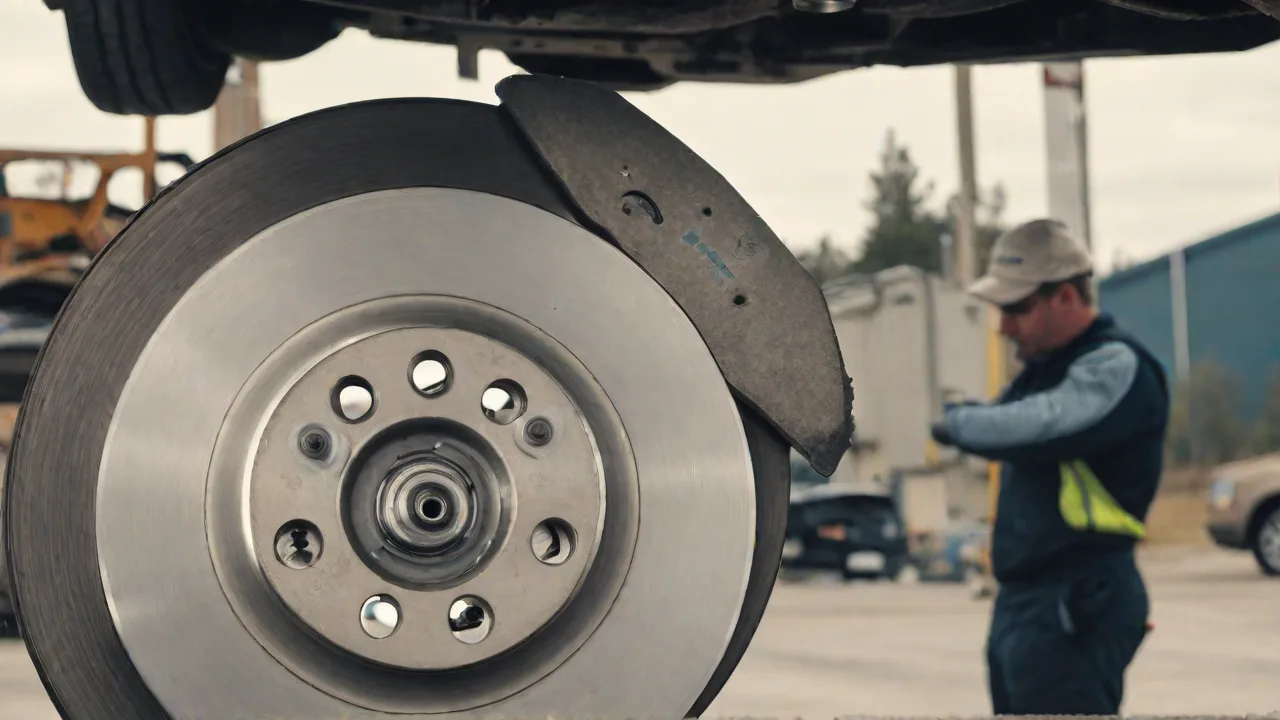
How to Properly Break-In Performance Brake Rotors on a Volvo XC90 T6
When upgrading or replacing the brake rotors on your Volvo XC90 T6, especially with high-performance components, it’s critical to properly break in—or "bed in"—the new rotors and brake pads. This bedding-in process is not merely a recommendation but a vital step to ensure your braking system operates at peak efficiency, safety, and longevity. Skipping or rushing this procedure can lead to uneven pad deposits, reduced stopping power, brake noise, and even premature rotor wear or warping.
Understanding the Importance of Bedding In Performance Brake Rotors
Performance brake rotors differ significantly from standard factory rotors. They are engineered to withstand higher temperatures and increased mechanical stress generated during aggressive driving or track conditions. Commonly made from premium cast iron, carbon composite, or other advanced materials, these rotors require a proper bedding-in period to optimize their surface condition and interaction with the brake pads.
What Does Bedding In Achieve?
- Uniform Pad Material Transfer: During bedding, a thin, even layer of brake pad material is deposited onto the rotor surface. This transfer layer ensures consistent friction during braking, improving stopping power.
- Elimination of Surface Imperfections: New rotors have microscopic surface irregularities. The bedding process smooths these out, reducing the risk of brake judder and noise.
- Thermal Stabilization: Gradually heating and cooling the rotors helps them adapt to thermal stresses, minimizing the chance of warping under heavy use.
- Enhanced Rotor and Pad Life: Proper break-in extends the lifespan of both rotors and pads by promoting even wear patterns.
Without proper bedding, brake pads may deposit material unevenly, causing vibrations, reduced braking efficiency, and visible rotor damage such as hot spots or scoring.
When to Bed In Your Volvo XC90 T6’s Brake Rotors
Bedding in is essential whenever you install new rotors or brake pads. This applies to:
- Upgrading to performance or aftermarket rotors.
- Replacing worn or damaged rotors with new units.
- Installing new brake pads alongside the rotors.
- Switching to a different type or compound of brake pads.
Even if you are simply replacing pads without new rotors, a mild bedding process is recommended to ensure optimal pad-rotor interaction.
Tools and Preparations Before Starting
Before beginning the bedding procedure, make sure you have the following:
- New Brake Rotors and Pads: Confirm they are specifically designed or compatible with your Volvo XC90 T6.
- Safe and Legal Location: An empty parking lot, quiet rural road, or closed course where you can safely perform repeated braking maneuvers without traffic interference.
- Proper Tire Condition: Ensure your tires have sufficient tread and pressure for consistent braking.
- Basic Vehicle Check: Verify that all brake components are correctly installed and torqued to factory specifications.
Step-by-Step Guide to Properly Break-In Your Brake Rotors
Follow these detailed steps carefully to bed in your Volvo XC90 T6’s performance brake rotors effectively:
Step 1: Warm-Up Drive
Begin with a gentle 5 to 10-minute drive at moderate speeds (30-40 mph) without heavy braking. This warms up the brake system and allows the lubricant on moving parts to distribute evenly.
Step 2: Initial Moderate Stops
Perform 8 to 10 moderate braking stops from approximately 30 mph down to 5 mph. Apply firm but not aggressive pressure on the brake pedal, avoiding coming to a complete stop to prevent uneven pad material transfer. After each stop, accelerate back up to speed and allow the brakes to cool slightly.
Step 3: Gradual Heat Build-Up with Harder Stops
Next, execute 4 to 5 harder stops from 40-45 mph down to 10 mph. Increase brake pedal pressure to elevate rotor temperature but still avoid locking the wheels or coming to a full stop. This step helps build the friction material transfer layer evenly while gradually increasing thermal load.
Step 4: Cool-Down Period
After these stops, drive for at least 5 minutes at a steady moderate speed (about 30-40 mph) without braking. This allows the rotors and pads to cool evenly and prevents thermal shock or warping.
Step 5: Inspect and Repeat if Necessary
After completing the initial bedding sequence, inspect the rotors and pads for signs of uneven wear, glazing, or discoloration. If you notice any vibrations, noises, or inconsistent brake pedal feel during normal driving, repeat the bedding process. Consistency is key to achieving a smooth rotor surface and optimal braking performance.
Additional Tips for Bedding In Brake Rotors on Your Volvo XC90 T6
- Avoid Full Stops During Bedding: Sitting stationary with hot brakes can cause uneven pad deposits and rotor warping.
- Use High-Quality Brake Pads: Match your rotors with compatible pads designed for performance use to maximize bedding effectiveness.
- Gradually Increase Braking Force: Don’t jump straight into heavy braking; incremental increases allow controlled heat build-up.
- Monitor Brake Temperature: If possible, use an infrared thermometer to ensure temperatures stay within recommended limits (usually under 400°F or 204°C during bedding).
- Be Patient: Proper bedding can take up to 20-30 minutes of driving but pays off in improved brake feel and durability.
Common Mistakes to Avoid During Brake Rotor Break-In
To ensure a successful break-in, avoid these pitfalls:
- Rushing the Process: Skipping steps or performing too few stops can result in poor pad transfer and rotor surface issues.
- Excessive Heat or Brake Fade: Overly aggressive or repeated hard stops without cooling can cause glazing or warping.
- Using Incorrect Brake Pads: Pads not compatible with your rotors will not transfer material properly.
- Ignoring Vehicle Load: Performing the break-in under heavy load (e.g., towing) can cause uneven heating.
- Not Checking for Brake Fluid Condition: Old or contaminated fluid can boil under heat, causing fade that affects pad seating.
Signs of Properly Bedded Brake Rotors
After completing the break-in process, your Volvo XC90 T6’s braking system should exhibit:
- Consistent and Predictable Brake Pedal Feel: No sponginess or grabbing.
- Reduced Brake Noise: Minimal or no squealing or judder.
- Even Pad Wear: Pads wear uniformly without hotspots or glazing.
- Improved Stopping Distances: Enhanced braking performance compared to unbedded rotors.
- Visual Rotor Surface Uniformity: A smooth, matte finish on the rotor surface without shiny patches or scoring.
Maintenance Tips to Extend Rotor Life on Your Volvo XC90 T6
After bedding in your performance rotors, ongoing maintenance plays a crucial role in preserving their condition and performance:
- Regular Brake Inspections: Check for rotor thickness, surface condition, and pad wear every 10,000 miles or as recommended.
- Keep Brake Fluid Fresh: Replace brake fluid every 2 years or sooner if contaminated, as moisture can lower boiling points causing fade.
- Avoid Excessive Heat Exposure: After spirited driving, allow brakes to cool properly to reduce thermal stress.
- Use Quality Replacement Parts: Always opt for OEM or reputable aftermarket rotors and pads designed for your Volvo XC90 T6.
- Monitor Brake Performance: Address any vibrations, noises, or fading immediately to prevent further damage.
Conclusion
Properly breaking in your Volvo XC90 T6’s performance brake rotors is a critical step that ensures your vehicle achieves the full benefits of upgraded braking components. By following the step-by-step bedding process, you promote even pad material transfer, prevent premature rotor damage, and enhance braking performance and safety. Whether you’re upgrading for spirited street driving or preparing for track days, investing time into a careful break-in will pay dividends in confidence and control behind the wheel.
For more detailed advice on Volvo performance upgrades and maintenance tips, visit Everyday Volvo Performance and Modifications.